


Please help me diagnose my AC on my 96.


Thread Starter
|
Junior Member
Joined: Apr 2013
Posts: 463

 Please help me diagnose my AC on my 96.
Hi there. Okay so my AC is not working... My pressure *appears* to be okay... about 40lbs low side ? But the compressor won't engage.
So I unplugged the connector at the "tall tower" and at the connector going back to wiring harness.. I had either 6.6 or once almost up to 10v, my prongs did not make the best connection.
It worked before the new engine...
What do I check next?
So I unplugged the connector at the "tall tower" and at the connector going back to wiring harness.. I had either 6.6 or once almost up to 10v, my prongs did not make the best connection.
It worked before the new engine...
What do I check next?

BF Guru
Joined: Dec 2016
Posts: 5,643
From: Moscow, ID
Are you saying you tested the pressure switch on the accumulator?
You should be able to by-pass it to force it on. It is a common failure point. Fortunately, it is not too expensive and can be done without venting the system.
You should be able to by-pass it to force it on. It is a common failure point. Fortunately, it is not too expensive and can be done without venting the system.


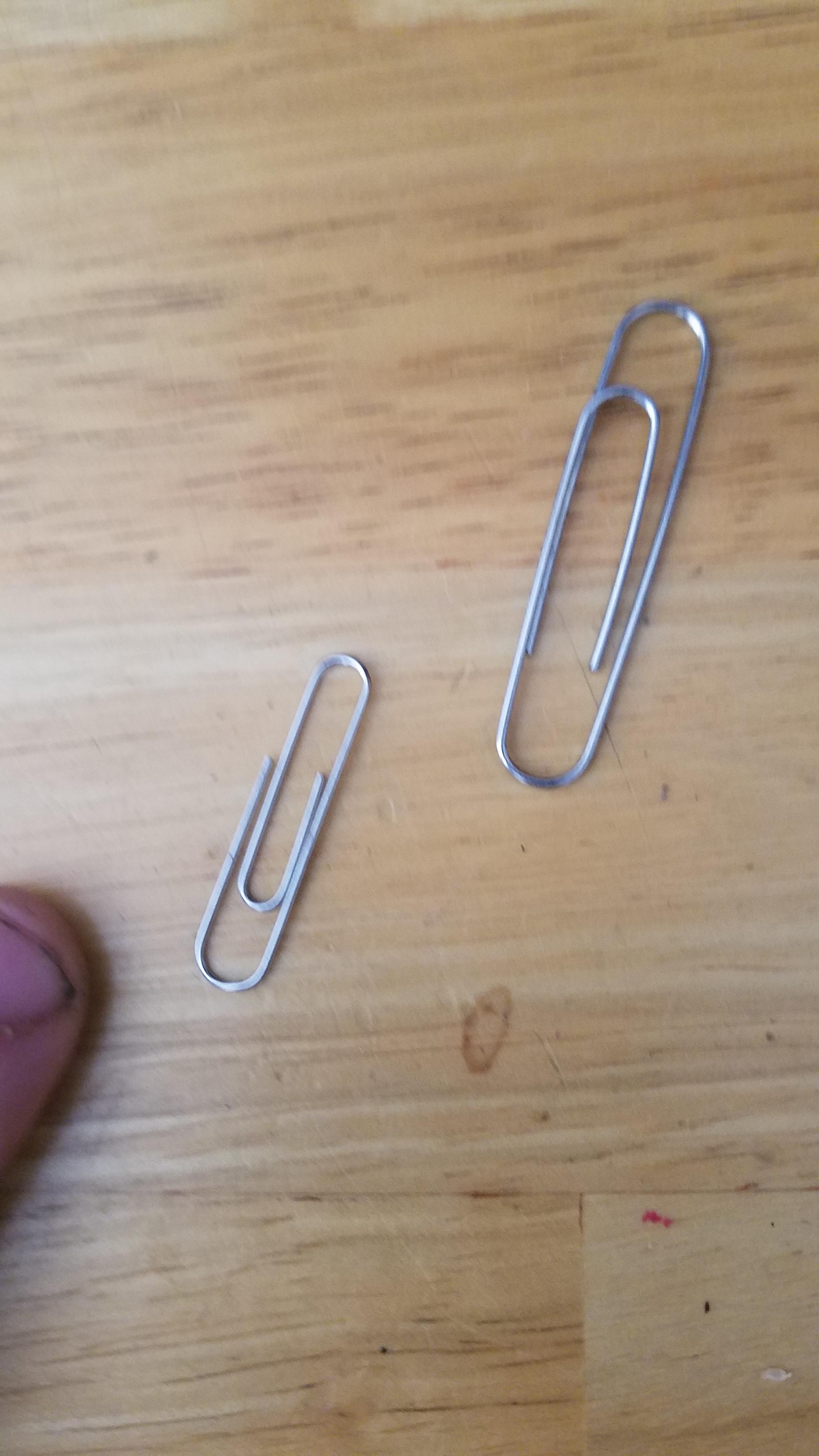
The low pressure cutout switch simply closes its contacts when the pressure is appropriate and opens them when not. So to bypass it, all you need to do is jumper the contacts in the connector with something conductive (paperclip) with the connector disconnected.
Thread Starter
|
Junior Member
Joined: Apr 2013
Posts: 463
I will try it again and with another paperclip however I did try this and I did not get an engaging of the compressor. I know if that thing on the outside is spinning then it is engaged.

BF Veteran
Joined: Jan 2007
Posts: 4,645
From: Florida
First lets talk about charge level. Systems such as these use a small level of 134a charge and the correct way to do it is to recover the existing charge, check for leaks with nitrogen, repair and verify, evacuate the system, check for leaks/stable vacuum and the charge the system with the exact refrigerant weight shown on the plaque/label in the engine compartment. That said, many DIY'ers just buy a can of 134a and keep topping it off until the vents get cold. With some knowledge and other cross checks you can get a system working with this method but there is the potential to overcharge the system, gum up the system with the stop leak that is in most of those cans, or have low or excessive oil levels which can damage the compressor. In an older system with nothing to lose you cant get in too much trouble but with new components, be more careful.
Now on measuring pressures. When the system is at rest without the compressor running, the refrigerant moves through the metering device until the system pressures are the same on both the high and low sides. Usually this pressure is equal to the level indicated on a temperature/pressure chart for the temp in the engine compartment. At 85F this is 95 psi for 134a so your static pressure measurements are too low. You either have a faulty gauge, a blockage in the system, or the charge level is too low. When the system engages and the compressor starts running, the liquid pressurized refrigerant "stacks up" against the metering device and the high side pressures start rising. The refrigerant pressure on the other (low) side of the metering device starts to drop. When everything is stable the high and low side pressures are dictated by the ambient temperature, the load on the evaporator and the amount of charge. For most systems those pressures would be around 45-55 psi on the low side and 225-250psi on the high side after the cabin gets near temp and if ambient is the same 85F.
The low side switch. That switch on the accumulator is a low side cycling switch. It's purpose is to measure the pressure on the low side of the system and cut off the compressor when the pressure drops below a certain threshold, usually around 40psi. The system starts well above this level and the switch is closed as Swatlink mentioned. If the system pressures are below this threshold statically then the compressor will not even start because that switch is open. A way to confirm that the switch has failed with normal pressures is to pull the connector and short the contacts, observing if the compressor starts. This would also defeat the proper functioning of the switch if the charge level is too low. Do not force the compressor to run for very long with an under charged condition because you can damage the compressor.
The entire circuit. there are more things that can cause a compressor to not start:
Bad wiring
Bad connectors
A malfunctioning high pressure switch
A bad cabin control unit
Fuses/power
You have more than one problem. Your static charge level is too low and jumpering the accumulator low pressure cycling switch does not turn on the compressor.
Let me know if you would like guidance on determining what has failed on your system.
George
Now on measuring pressures. When the system is at rest without the compressor running, the refrigerant moves through the metering device until the system pressures are the same on both the high and low sides. Usually this pressure is equal to the level indicated on a temperature/pressure chart for the temp in the engine compartment. At 85F this is 95 psi for 134a so your static pressure measurements are too low. You either have a faulty gauge, a blockage in the system, or the charge level is too low. When the system engages and the compressor starts running, the liquid pressurized refrigerant "stacks up" against the metering device and the high side pressures start rising. The refrigerant pressure on the other (low) side of the metering device starts to drop. When everything is stable the high and low side pressures are dictated by the ambient temperature, the load on the evaporator and the amount of charge. For most systems those pressures would be around 45-55 psi on the low side and 225-250psi on the high side after the cabin gets near temp and if ambient is the same 85F.
The low side switch. That switch on the accumulator is a low side cycling switch. It's purpose is to measure the pressure on the low side of the system and cut off the compressor when the pressure drops below a certain threshold, usually around 40psi. The system starts well above this level and the switch is closed as Swatlink mentioned. If the system pressures are below this threshold statically then the compressor will not even start because that switch is open. A way to confirm that the switch has failed with normal pressures is to pull the connector and short the contacts, observing if the compressor starts. This would also defeat the proper functioning of the switch if the charge level is too low. Do not force the compressor to run for very long with an under charged condition because you can damage the compressor.
The entire circuit. there are more things that can cause a compressor to not start:
Bad wiring
Bad connectors
A malfunctioning high pressure switch
A bad cabin control unit
Fuses/power
You have more than one problem. Your static charge level is too low and jumpering the accumulator low pressure cycling switch does not turn on the compressor.
Let me know if you would like guidance on determining what has failed on your system.
George
Thread Starter
|
Junior Member
Joined: Apr 2013
Posts: 463
First lets talk about charge level. Systems such as these use a small level of 134a charge and the correct way to do it is to recover the existing charge, check for leaks with nitrogen, repair and verify, evacuate the system, check for leaks/stable vacuum and the charge the system with the exact refrigerant weight shown on the plaque/label in the engine compartment. That said, many DIY'ers just buy a can of 134a and keep topping it off until the vents get cold. With some knowledge and other cross checks you can get a system working with this method but there is the potential to overcharge the system, gum up the system with the stop leak that is in most of those cans, or have low or excessive oil levels which can damage the compressor. In an older system with nothing to lose you cant get in too much trouble but with new components, be more careful.
Now on measuring pressures. When the system is at rest without the compressor running, the refrigerant moves through the metering device until the system pressures are the same on both the high and low sides. Usually this pressure is equal to the level indicated on a temperature/pressure chart for the temp in the engine compartment. At 85F this is 95 psi for 134a so your static pressure measurements are too low. You either have a faulty gauge, a blockage in the system, or the charge level is too low. When the system engages and the compressor starts running, the liquid pressurized refrigerant "stacks up" against the metering device and the high side pressures start rising. The refrigerant pressure on the other (low) side of the metering device starts to drop. When everything is stable the high and low side pressures are dictated by the ambient temperature, the load on the evaporator and the amount of charge. For most systems those pressures would be around 45-55 psi on the low side and 225-250psi on the high side after the cabin gets near temp and if ambient is the same 85F.
The low side switch. That switch on the accumulator is a low side cycling switch. It's purpose is to measure the pressure on the low side of the system and cut off the compressor when the pressure drops below a certain threshold, usually around 40psi. The system starts well above this level and the switch is closed as Swatlink mentioned. If the system pressures are below this threshold statically then the compressor will not even start because that switch is open. A way to confirm that the switch has failed with normal pressures is to pull the connector and short the contacts, observing if the compressor starts. This would also defeat the proper functioning of the switch if the charge level is too low. Do not force the compressor to run for very long with an under charged condition because you can damage the compressor.
The entire circuit. there are more things that can cause a compressor to not start:
Bad wiring
Bad connectors
A malfunctioning high pressure switch
A bad cabin control unit
Fuses/power
You have more than one problem. Your static charge level is too low and jumpering the accumulator low pressure cycling switch does not turn on the compressor.
Let me know if you would like guidance on determining what has failed on your system.
George
Now on measuring pressures. When the system is at rest without the compressor running, the refrigerant moves through the metering device until the system pressures are the same on both the high and low sides. Usually this pressure is equal to the level indicated on a temperature/pressure chart for the temp in the engine compartment. At 85F this is 95 psi for 134a so your static pressure measurements are too low. You either have a faulty gauge, a blockage in the system, or the charge level is too low. When the system engages and the compressor starts running, the liquid pressurized refrigerant "stacks up" against the metering device and the high side pressures start rising. The refrigerant pressure on the other (low) side of the metering device starts to drop. When everything is stable the high and low side pressures are dictated by the ambient temperature, the load on the evaporator and the amount of charge. For most systems those pressures would be around 45-55 psi on the low side and 225-250psi on the high side after the cabin gets near temp and if ambient is the same 85F.
The low side switch. That switch on the accumulator is a low side cycling switch. It's purpose is to measure the pressure on the low side of the system and cut off the compressor when the pressure drops below a certain threshold, usually around 40psi. The system starts well above this level and the switch is closed as Swatlink mentioned. If the system pressures are below this threshold statically then the compressor will not even start because that switch is open. A way to confirm that the switch has failed with normal pressures is to pull the connector and short the contacts, observing if the compressor starts. This would also defeat the proper functioning of the switch if the charge level is too low. Do not force the compressor to run for very long with an under charged condition because you can damage the compressor.
The entire circuit. there are more things that can cause a compressor to not start:
Bad wiring
Bad connectors
A malfunctioning high pressure switch
A bad cabin control unit
Fuses/power
You have more than one problem. Your static charge level is too low and jumpering the accumulator low pressure cycling switch does not turn on the compressor.
Let me know if you would like guidance on determining what has failed on your system.
George
So.. I was able to get the AC to function. Compressor spinning,
 Interior cold, feeling nice... It turned out to be two things.
First, the High Side switch was not connected. So I went ahead and connected it. (I did not know this was there.)
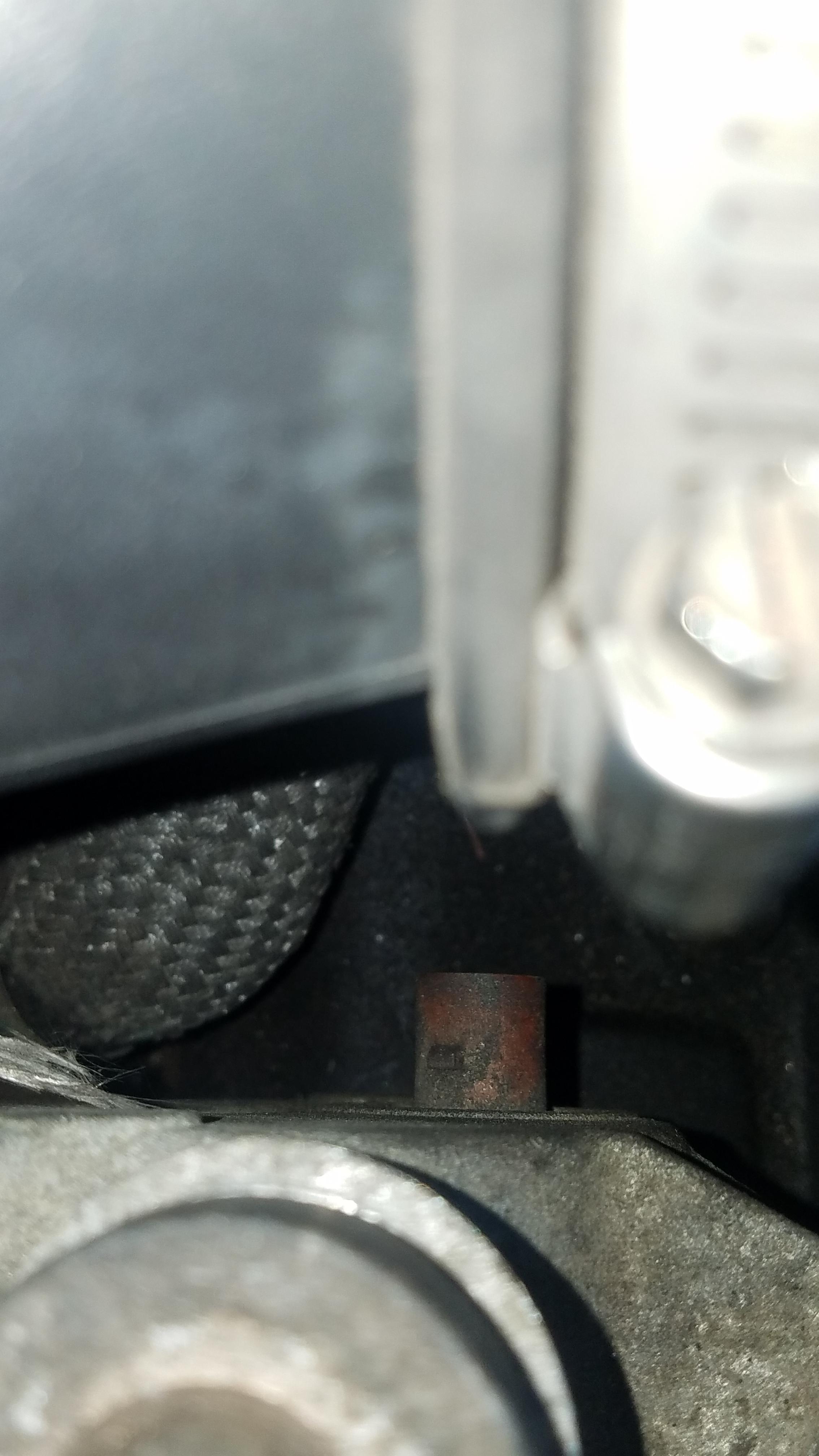
Second, after disconnecting a "can of oil" (Ester oil, the little $7.99 can from Advance Auto) that did not seem to want to be sucked in, or sucked in very very little, either one.. could not really tell. BUT. After disconnecting that one, (with a lot of stuff left in it that did not go into the system).. I then put in a small can of R134A and the compressor came on almost immediately after that.
I just wish it was warmer than 50, 55, no more than 60 degrees today to really enjoy it. I let it run a good hour and it seems to work well.. low side (fat) like nice and COLD. Now sitting. No real need to put on until it gets hot out.. which can happen with the temperature being as low as about 70.
So. As of this post.. it now works. Thank you to all!
Looking forward to the HOT temps to enjoy it.
https://youtu.be/0aaDGSLxEys
Last edited by 93S10TahoeLT; May 8, 2020 at 11:42 AM.